
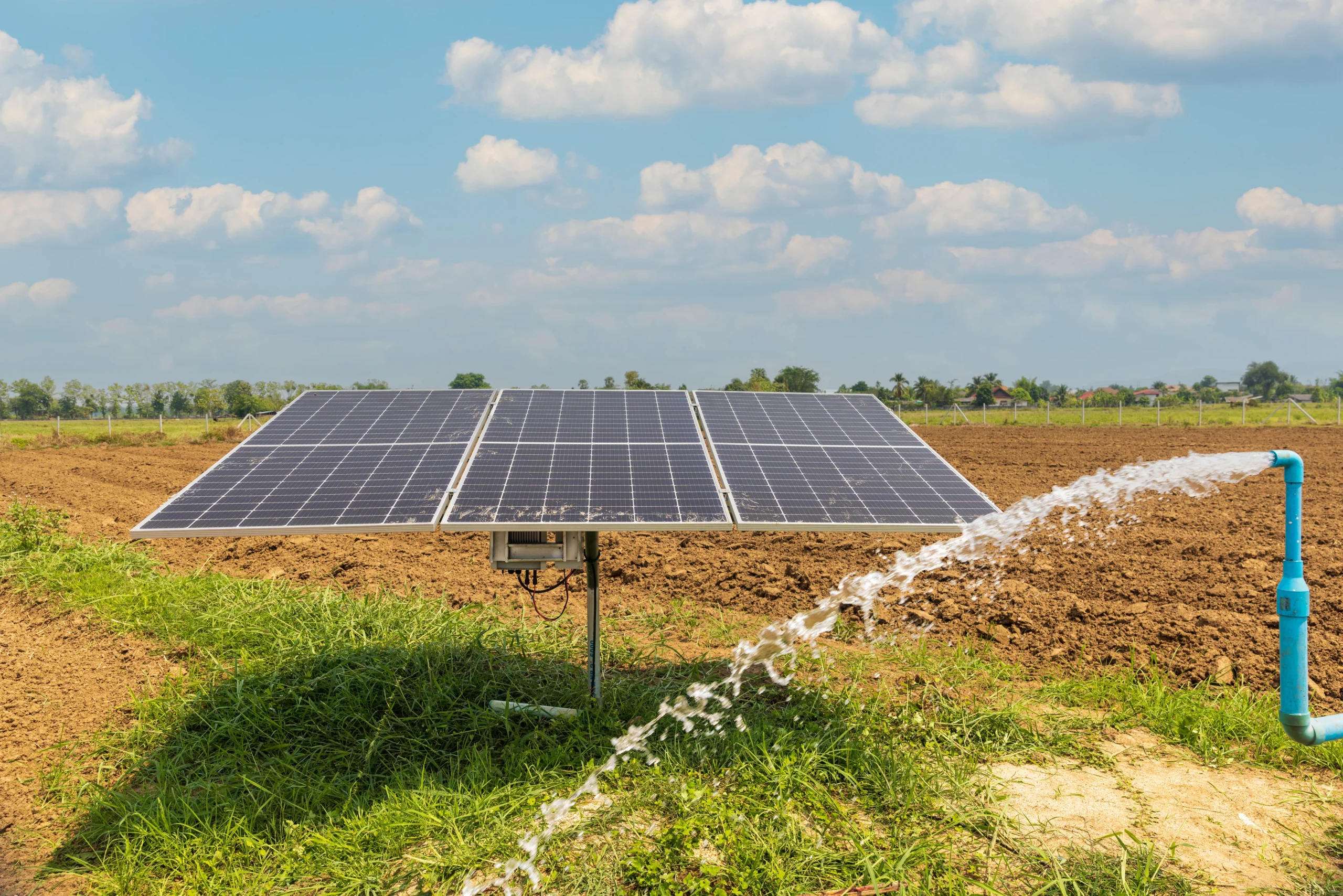
Pompa Air Tenaga Surya for Reliable Water Supply.
Solar-powered water pumping engineered around your water source, required flow, pumping head and site conditions.
The Challenge
Water access should not depend on grid availability.
Moving water becomes more complex when electricity is limited, fuel logistics are difficult, or operating costs continue to rise.
Remote Power
Some water sources are located far from reliable electrical infrastructure.
Fuel Dependency
Diesel-powered pumping requires continuous fuel supply, transportation and storage.
Water Reliability
Water demand does not always align with the availability of conventional power.
Operating Cost
Energy and fuel can become a significant part of long-term pumping costs.
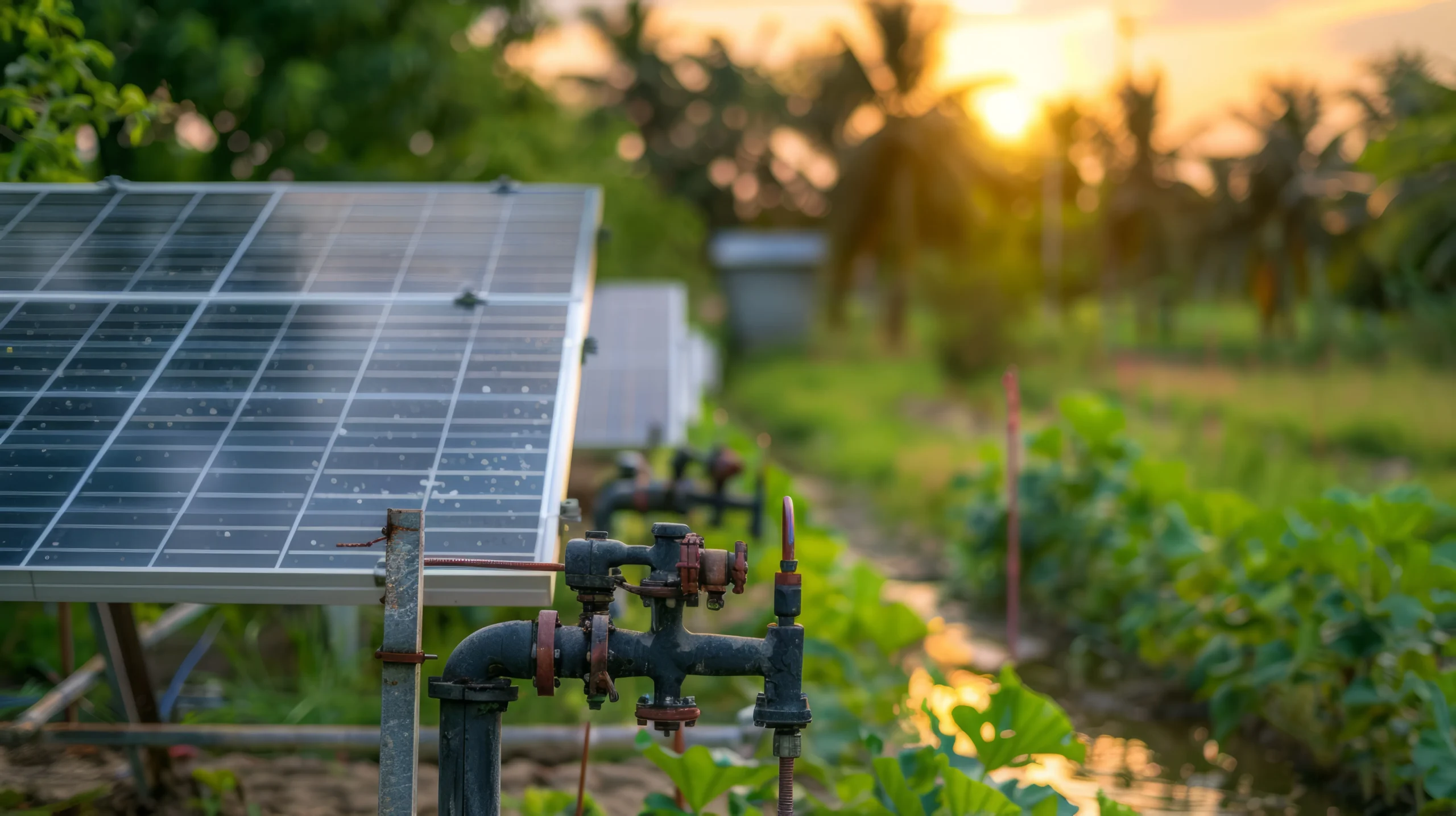
What Is PATS?
Water pumping powered by solar energy.
PATS — Pompa Air Tenaga Surya — uses photovoltaic energy to operate a water pumping system, moving water from its source to storage or directly to its point of use.
The system can be engineered around different water sources, pumping heads, flow requirements and operating conditions.
How PATS Works
From sunlight to usable water.
Four connected stages turn solar energy into a controlled water supply for the required site and operating condition.
Solar Energy
PV modules capture available sunlight and convert it into electrical energy for the pumping system.
Power Control
The controller regulates available solar power so the pump operates within the required system conditions.
Water Pumping
A suitable pump moves water from the source according to the required flow and hydraulic head.
Storage & Distribution
Pumped water is directed to storage or distributed to the intended point of use as required.
PATS Applications
One technology. Different water requirements.
PATS can support different applications where reliable water movement and energy availability need to work together.

Agriculture
Solar-powered pumping for irrigation and agricultural water distribution.
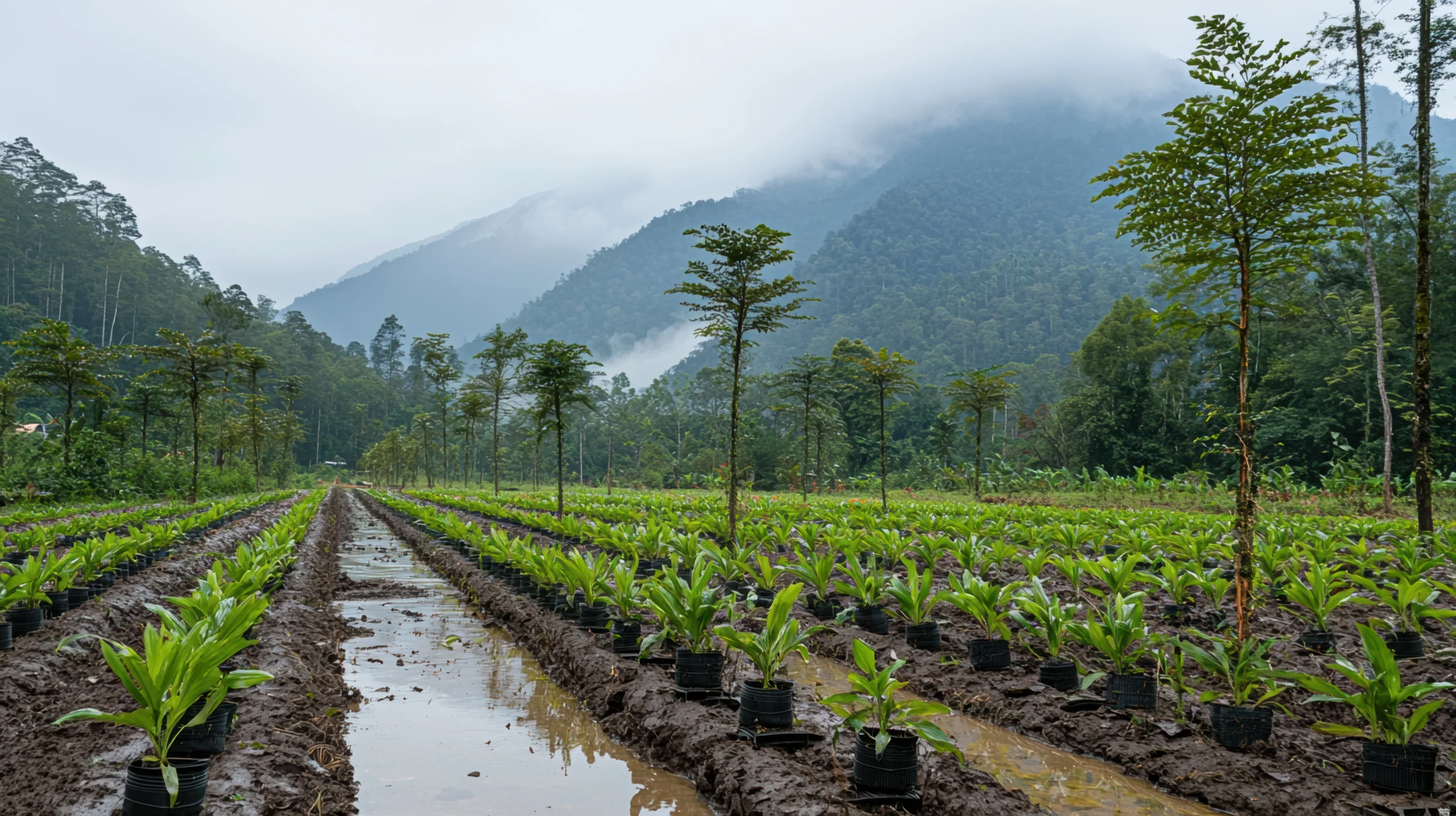
Plantation
Water movement across plantation areas where conventional electricity may be limited.
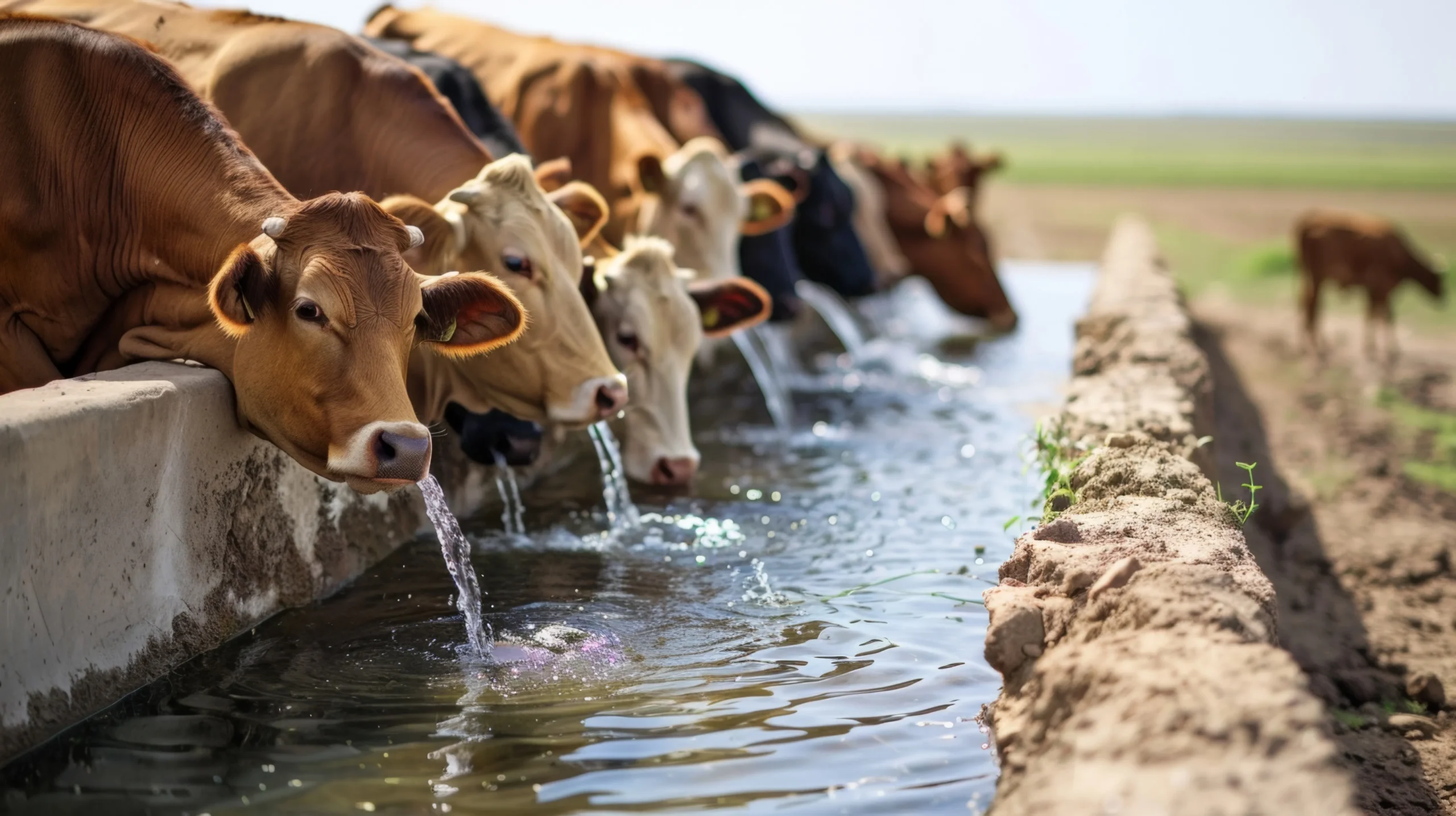
Livestock
Water supply for livestock facilities and supporting operational requirements.
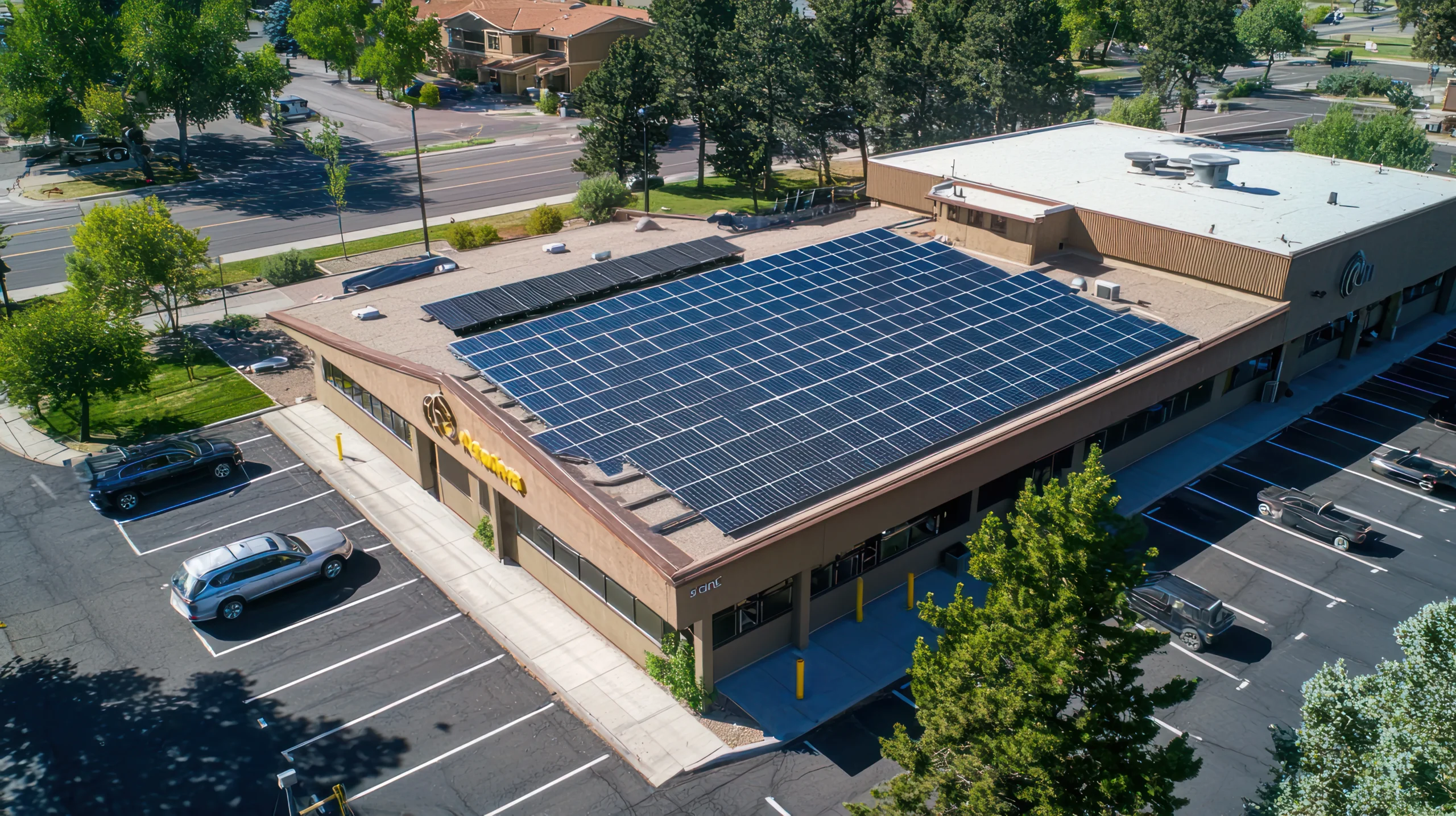
Commercial & Industrial
Solar-assisted water transfer for suitable commercial and operational requirements.
Preliminary Assessment
Estimate your water pumping requirement.
Provide a few site parameters to build an initial picture of your pumping requirement.
Preliminary Requirement
This calculator is a preliminary indication only. Actual Total Dynamic Head also depends on pipe length, fittings, pressure losses, operating conditions and final system configuration.
Discuss This RequirementEngineering Parameters
Designed around water. Not just wattage.
The correct pumping system starts with the hydraulic requirement before equipment is selected.
System Comparison
Different energy sources. Different operating models.
The right pumping solution depends on infrastructure, operating requirements and site conditions.
| Consideration | PATS | Grid Pump | Diesel |
|---|---|---|---|
| Solar dependency | Primary source | — | — |
| Grid dependency | Not required* | Required | — |
| Fuel dependency | None | None | Required |
| Remote deployment | High potential | Infrastructure dependent | Possible |
| Routine fuel logistics | None | None | Required |
| Site engineering | Required | Required | Required |
*Standalone configurations can operate independently from the grid. Hybrid configurations may integrate additional energy sources. PATS is not automatically the correct solution for every project; technical feasibility and lifecycle requirements should be evaluated.
Why Dams Energi
Engineering first. Equipment follows.
We begin with the requirement the system needs to solve, then determine the equipment behind it.
Requirement-Based
Every system starts from actual water and operational requirements.
Site-Specific
Water source, elevation, hydraulic conditions and available solar energy influence the design.
Integrated
PV, control, pumping and water distribution are considered as one connected system.
Lifecycle Thinking
Installation, operation and maintainability are considered from the beginning.
Our Process
From water requirement to operation.
A structured engineering process connects the site requirement to a system that can be installed, commissioned and operated.
Understand
Define water demand, intended application and the operational requirement the system needs to solve.
PATS FAQ
Questions before designing a solar water pumping system.
Every pumping requirement is different. These are some common considerations during an initial PATS evaluation.
PATS, or Pompa Air Tenaga Surya, uses electricity generated by photovoltaic modules to operate a water pumping system.
Yes. A properly designed standalone PATS system can operate without grid electricity. The final configuration depends on water demand, operating requirements and site conditions.
Not necessarily. Many applications pump water during available solar hours or store water in a tank or reservoir instead of storing electrical energy in batteries.
Potentially, yes. Pump selection depends on the water level, required flow, Total Dynamic Head and other site parameters.
Daily water output varies according to pump performance, Total Dynamic Head, available solar energy and system configuration.
Yes. Solar pumping can support suitable agricultural and irrigation applications when the system is designed around the actual water requirement.
Pumping performance can change as available solar energy changes. Storage, hybrid energy sources or other strategies may be considered where continuity is required.
In some cases, existing pumping equipment may be suitable for integration into a solar-powered system. Compatibility and operating requirements should first be evaluated.
Sizing begins with water requirement, water source, pumping head, required flow, solar conditions, storage strategy and operating profile.
Energy Insights
Explore related insights.
Technical perspectives and practical considerations around solar energy, water pumping and energy systems.