Reduce Grid Dependency
Generate part of your electricity directly at the point of use and reduce reliance on conventional grid consumption during solar production hours.

PLTS / SOLAR POWER
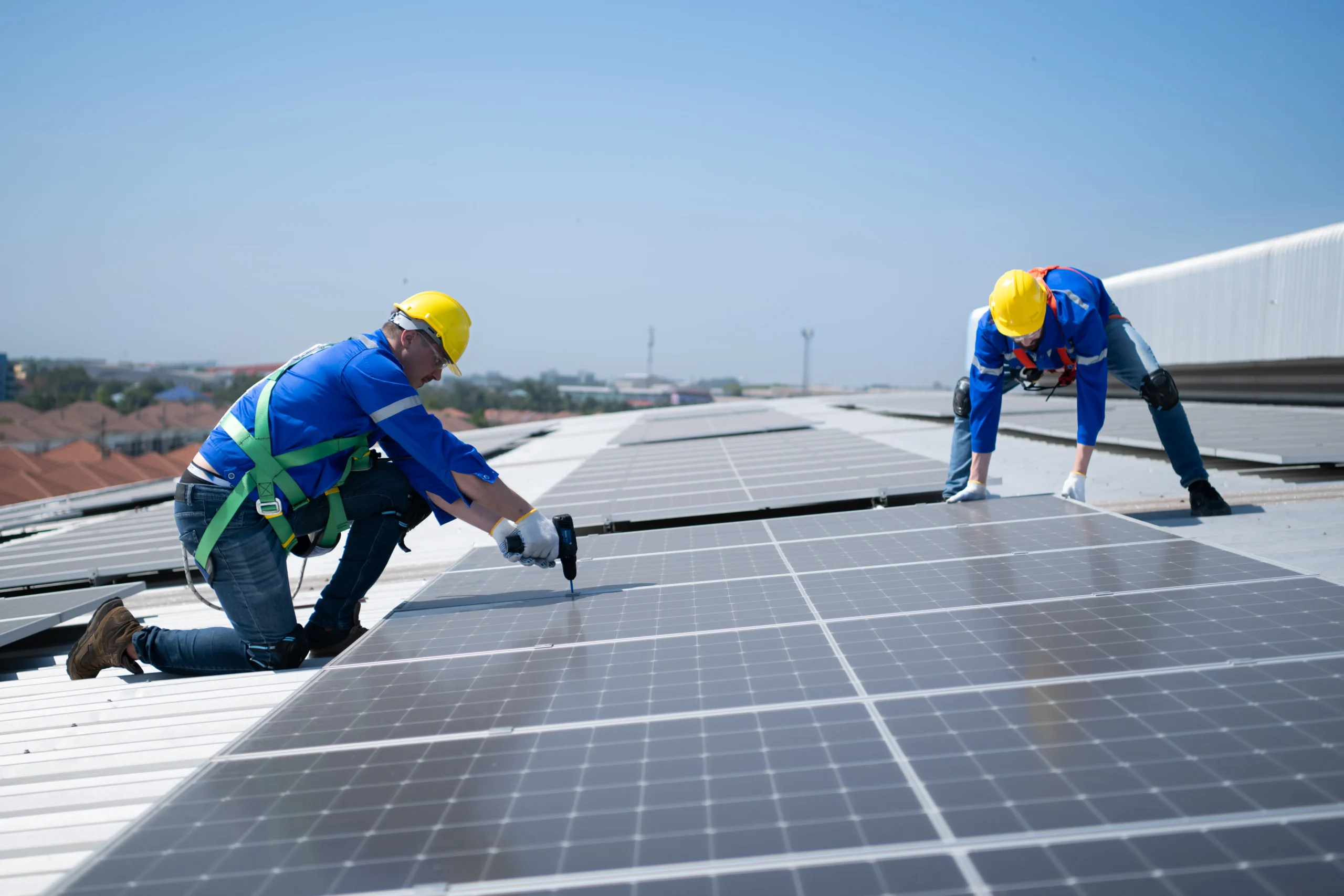
From homes and commercial buildings to industrial and agricultural facilities, DAMS designs PLTS systems around actual energy demand, site conditions, and operational priorities.
WHY PLTS
Solar power becomes valuable when the system is aligned with how, when, and where energy is actually used.
Generate part of your electricity directly at the point of use and reduce reliance on conventional grid consumption during solar production hours.
Match solar generation with the site's actual electricity consumption profile instead of sizing the system around assumptions.
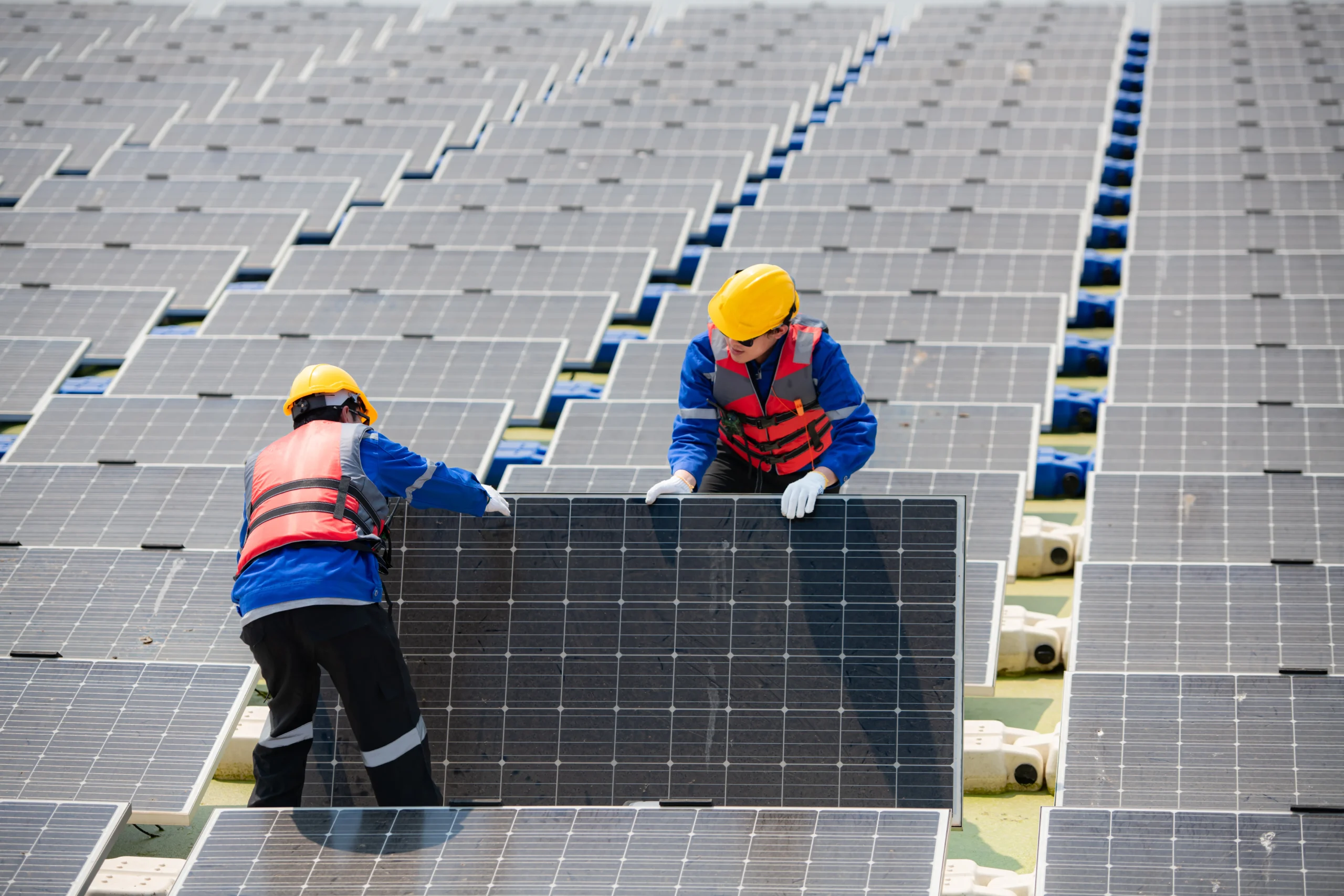
Transform suitable rooftops or available areas into productive energy assets without changing the core function of the site.
Integrate renewable energy into everyday residential, commercial, industrial, or agricultural operations.
SYSTEM OPTIONS
Grid availability, energy consumption, backup requirements, and operating conditions determine which system architecture makes sense.
GRID CONNECTED
Solar generation works alongside the utility grid to support electricity consumption during operating hours.
SOLAR + GRID + STORAGE
Solar, grid, and battery storage work together to provide greater flexibility in how energy is generated and used.
STANDALONE SYSTEM
A standalone solar and battery system designed to supply electricity without depending on the utility grid.
HOW PLTS WORKS
On-grid, off-grid, and hybrid PLTS use different energy paths. Choose a system below to see a simplified operating flow.
The grid can supply additional electricity when solar generation is below site demand. Final export/import behavior depends on the approved system and applicable requirements.
Battery charging and discharging are coordinated to answer a defined backup or energy-management requirement.
The grid remains available as an additional source according to the designed operating mode and applicable requirements.
Simplified functional diagrams for understanding only. Final topology, protection, metering, storage configuration, and control logic depend on site conditions and the approved engineering design.
SITE EVALUATION
A good solar system starts with the site — not the number of panels. Before defining capacity, we look at practical operating and engineering conditions.
Discuss Your SiteHow much electricity is consumed, and when does the highest demand occur? Understanding the load profile helps determine how solar generation can align with actual use.
OUR APPROACH
A reliable PLTS system starts with understanding the energy requirement, site condition, and electrical environment before equipment is selected.
Understand electricity consumption and operating patterns.
Evaluate physical, solar, structural, and electrical conditions.
Define system architecture, capacity, integration, and protection.
Select components based on the engineered requirement.
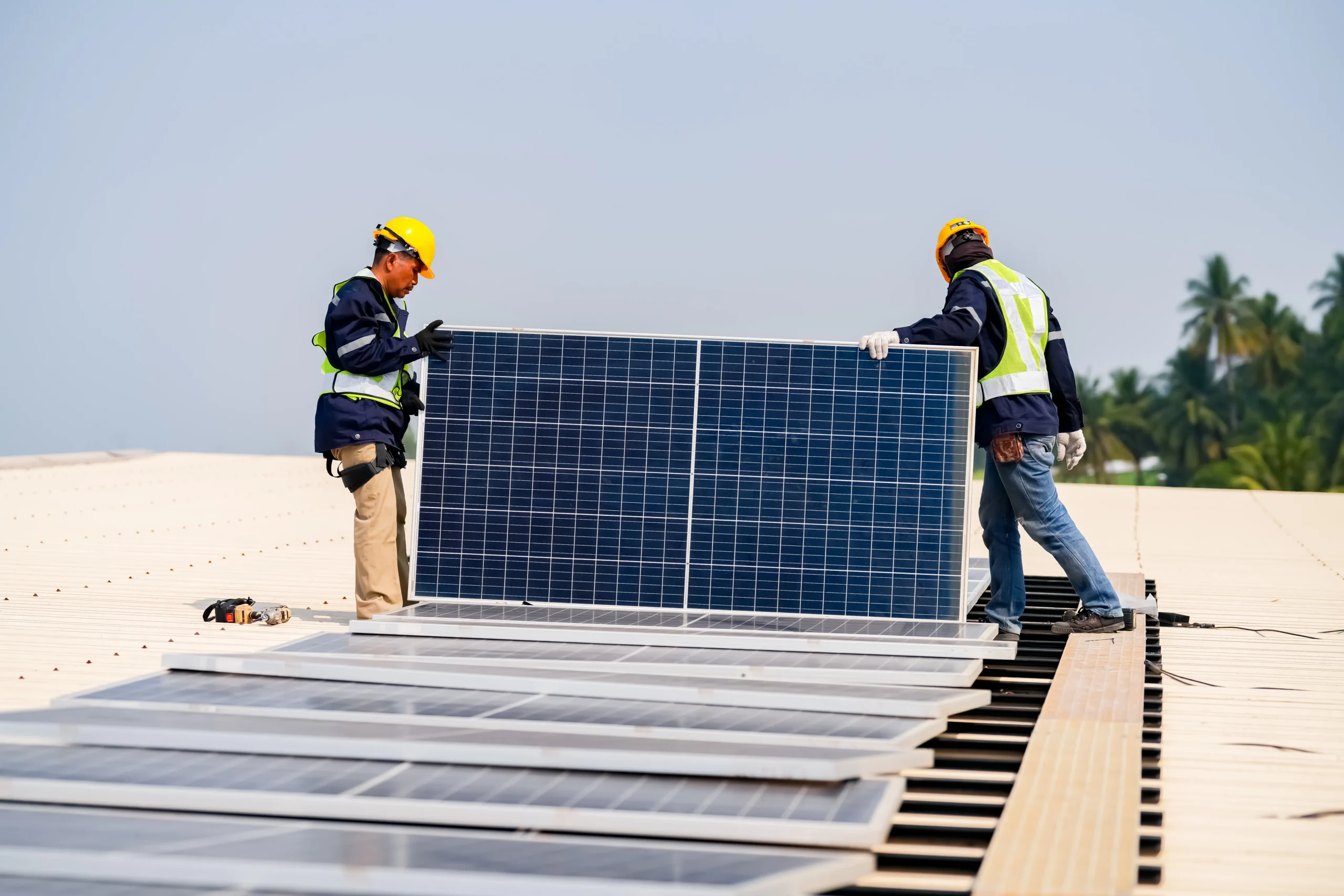
Execute installation according to the approved technical design.
Test and verify that the system operates as intended.
APPLICATIONS
Energy requirements change from one application to another. System design should too.
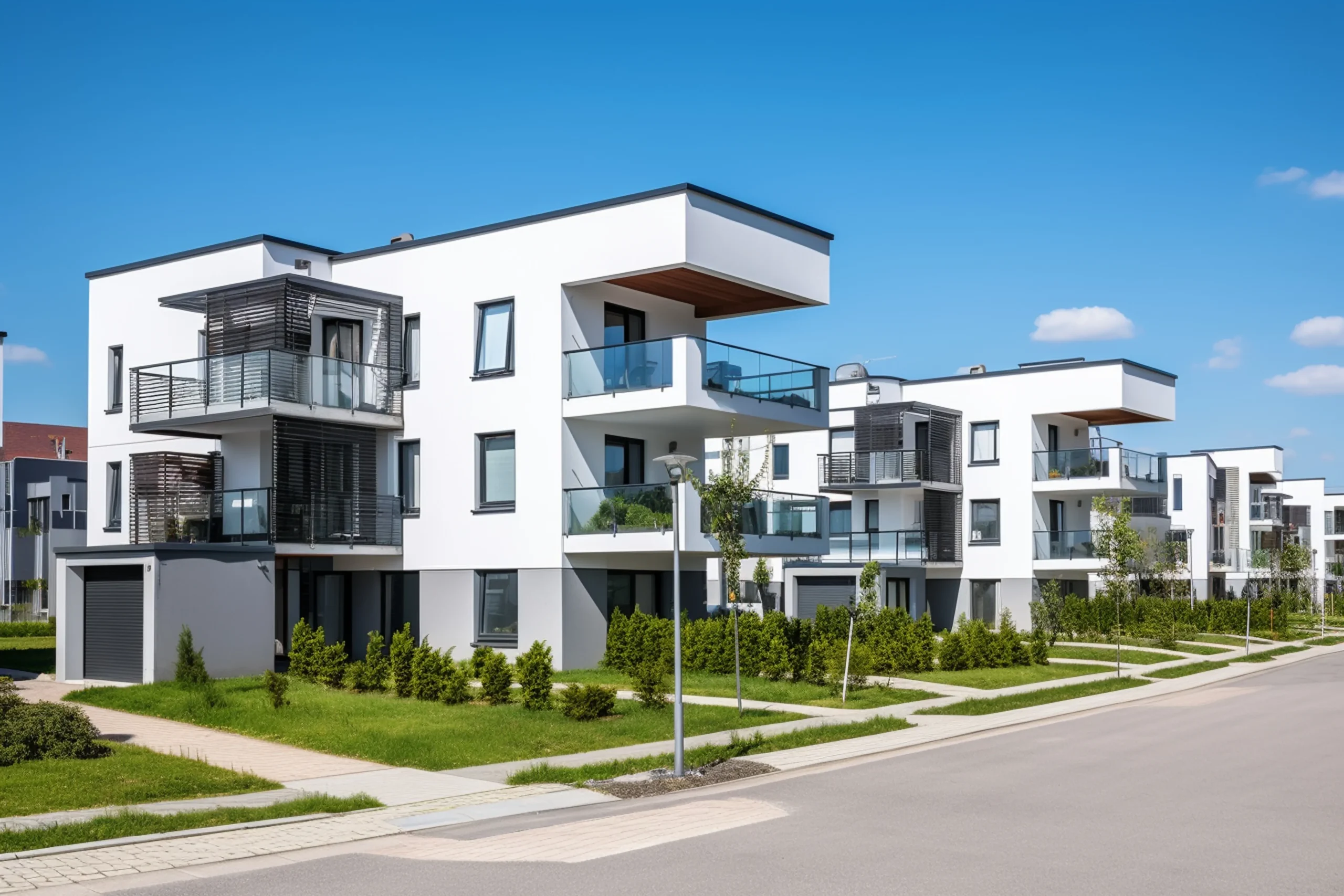 01 · APPLICATIONResidentialSolar systems designed around household electricity use and available installation space.Explore Residential Solar →
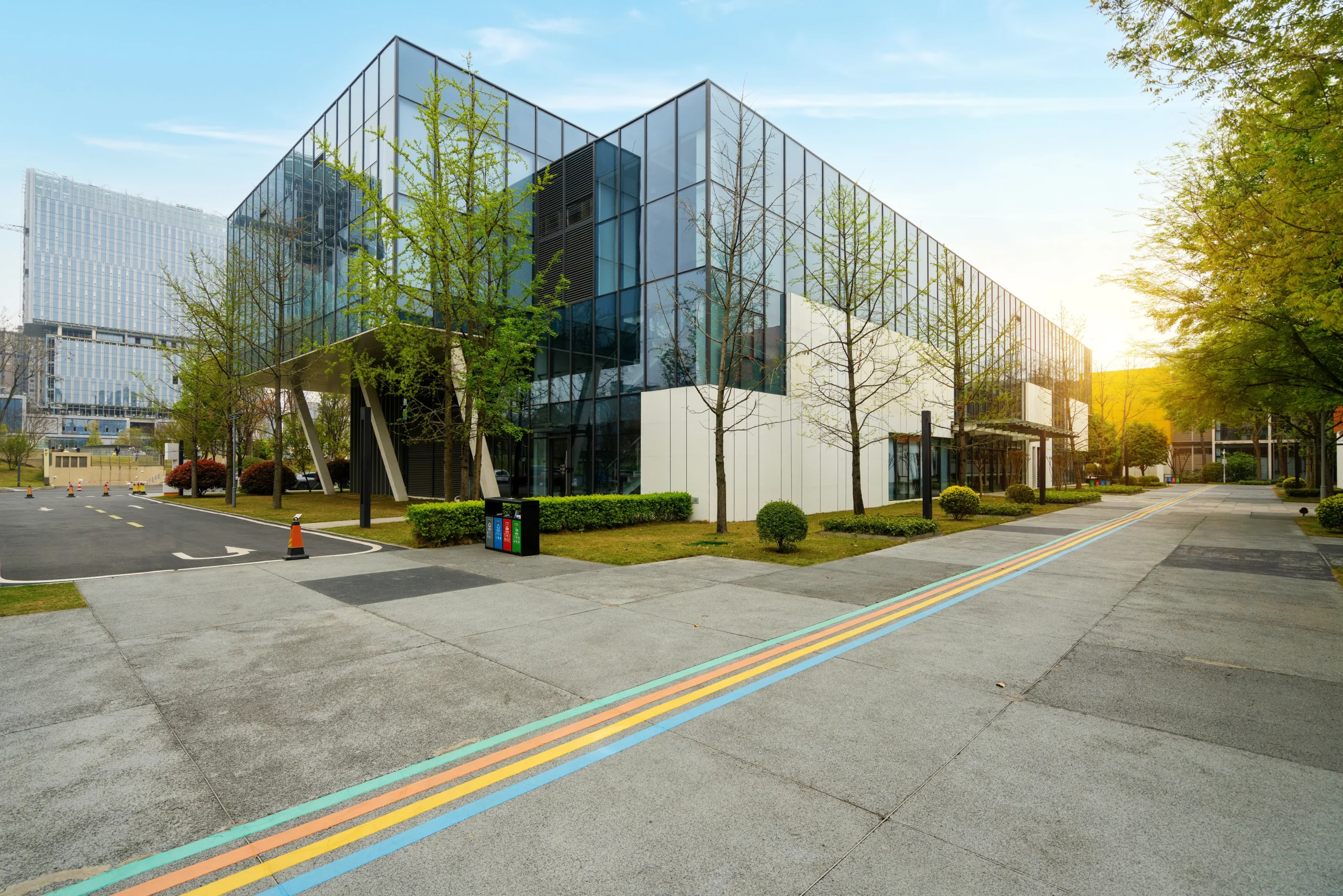 02 · APPLICATIONCommercialSolutions for offices, retail, hospitality, and other commercial facilities.Explore Commercial Solar →
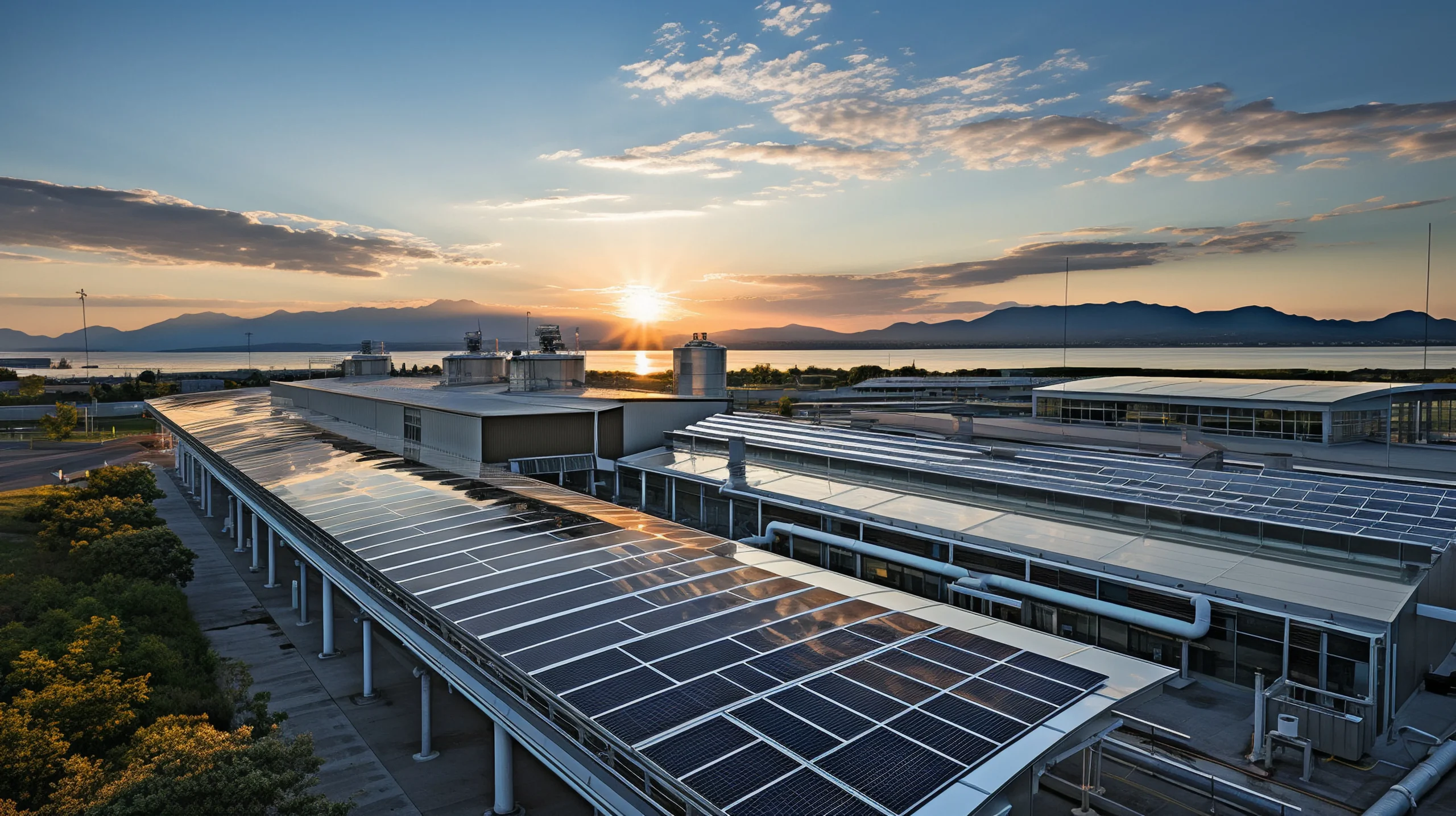 03 · APPLICATIONIndustrialEngineered for facilities with larger electrical loads and demanding operational requirements.Explore Industrial Solar →
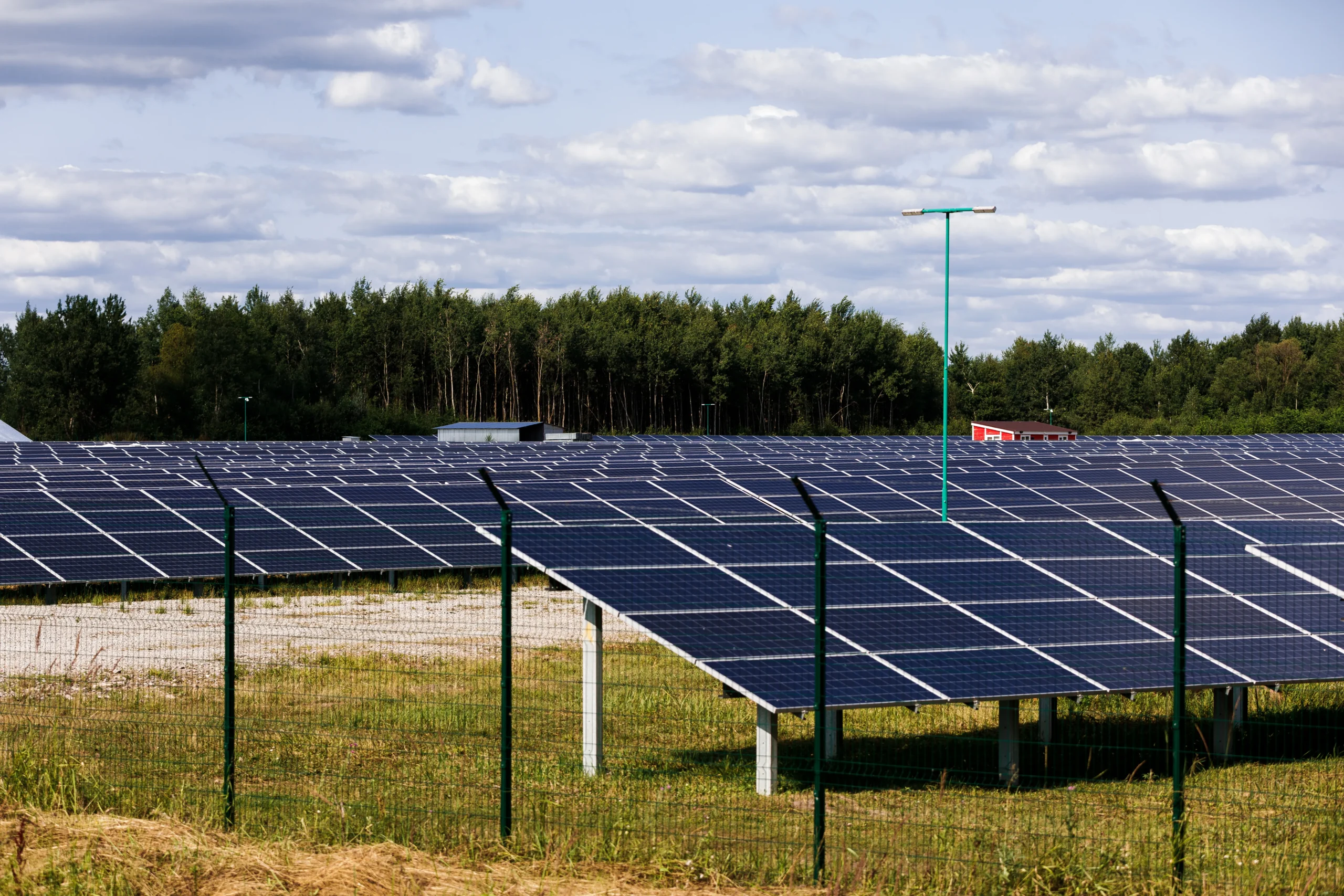
 04 · APPLICATIONAgriculturalSolar applications supporting farms, processing facilities, and agricultural operations.Explore Agriculture Solar →
PLTS CALCULATOR
Use your monthly electricity consumption and target solar contribution to get an indicative PV capacity and monthly solar generation range before a detailed site assessment.
INITIAL ESTIMATE
The calculator will estimate indicative PLTS capacity from energy consumption, target solar contribution, and the selected PV-output scenario.
—
Final capacity should be verified against load profile, roof/ground layout, structural condition, shading, electrical integration, equipment selection, applicable requirements, and detailed engineering.
FROM REQUIREMENT TO OPERATION
Every project moves through a structured engineering sequence so decisions, installation, testing, and handover remain connected.
Understand the objective, project context, operating priorities, and initial energy requirement.
Review electricity demand, consumption information, and operating patterns before capacity is discussed.
Evaluate installation area, access, environmental, structural, solar, and electrical conditions.
Develop system architecture, capacity, layout, protection, integration, and technical configuration.
Prepare approved components and execute installation according to the engineered design and project plan.
Verify system operation, protection, integration, and key functions before handover.
Maintain visibility over system operation and support long-term maintainability after handover.
WHY DAMS
The system should fit the requirement — not the other way around.
System decisions begin with technical requirements, not a predefined equipment package.
Every site has a different load profile, physical environment, and operational priority.
Assessment, engineering, installation, and commissioning are treated as one connected process.
Design decisions consider reliability, accessibility, maintainability, and operation beyond installation day.
BEFORE INSTALLING PLTS
Total consumption alone does not tell the whole story. When electricity is consumed can be just as important.
Roof area, orientation, shading, structure, access, and electrical conditions also influence system planning.
PLTS capacity should be aligned with the intended energy strategy and actual site requirement.
Grid-connected systems need to consider the site's electrical conditions and applicable requirements.
Battery storage should answer a specific operational requirement rather than simply being added by default.
LATEST INSIGHTS
The three newest published articles are loaded automatically from the DAMS WordPress blog.
PLTS FAQ
Practical answers to common questions about PLTS system types, requirements, and project planning.
On-grid systems work alongside the utility grid. Hybrid systems combine solar, the grid, and energy storage where required. Off-grid systems operate independently using solar generation and battery storage.
No. Battery requirements depend on system architecture, energy usage, backup needs, and operating priorities.
Capacity should be determined from actual electricity consumption, usage patterns, available installation area, electrical conditions, and the objective of the project.
Solar modules can continue generating electricity under lower sunlight conditions, although generation will typically be lower than during strong solar irradiation.
Not automatically. Roof condition, usable area, orientation, shading, structure, access, and other installation factors should first be evaluated.
Yes. PLTS can be engineered for residential, commercial, industrial, and agricultural applications depending on the site's technical and operational requirements.
We begin by understanding the energy requirement, project objective, and site conditions before determining whether the next step should be technical discussion, assessment, or engineering development.