Energy Efficiency
Use household energy more intelligently.

Integrated energy, water, and building systems engineered around the way your home actually works — today and in the future.
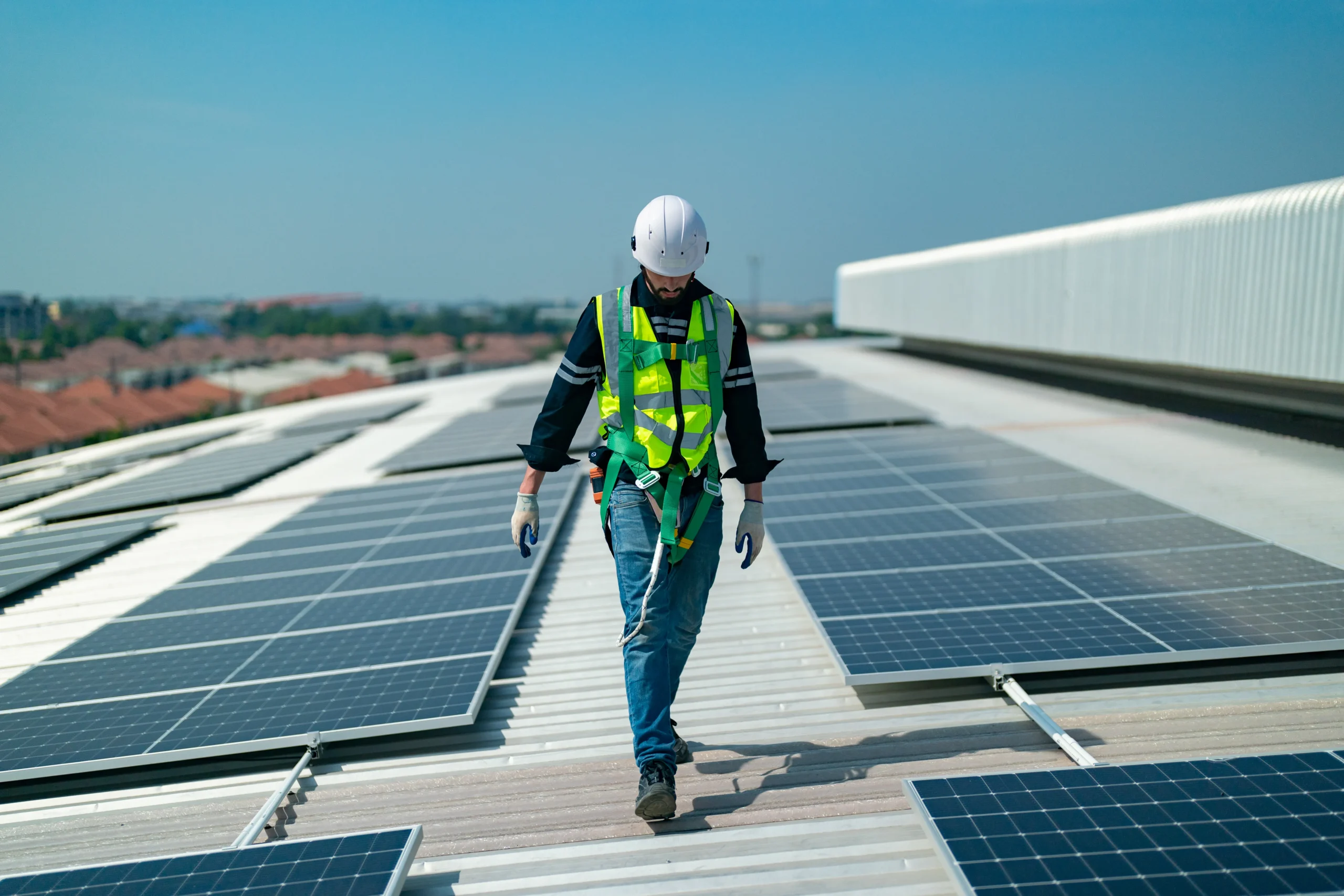
Use household energy more intelligently.
Plan water movement around actual demand.
Infrastructure designed with engineering discipline.
Consider tomorrow's needs from the beginning.
Start from the requirement rather than the equipment. Choose the area that is closest to what you want to improve.
Review household electricity usage, available installation space, electrical conditions, and the intended energy strategy before system capacity is determined.
Residential requirements may involve one system or several connected disciplines. The right scope starts from the actual operating condition of the home.
 01
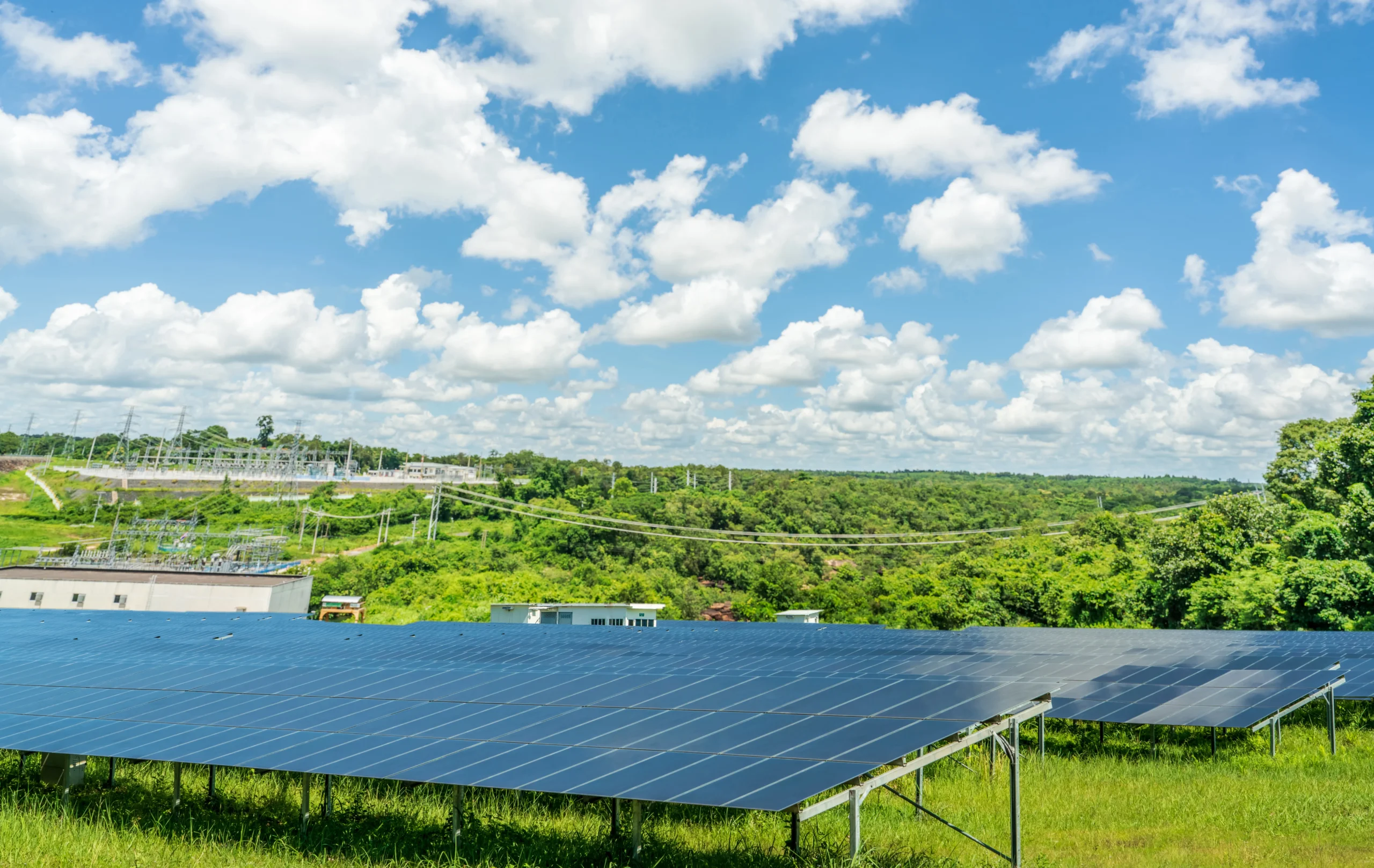
01Solar power systems planned around household electricity use, installation area, electrical conditions, and energy objectives.
 02
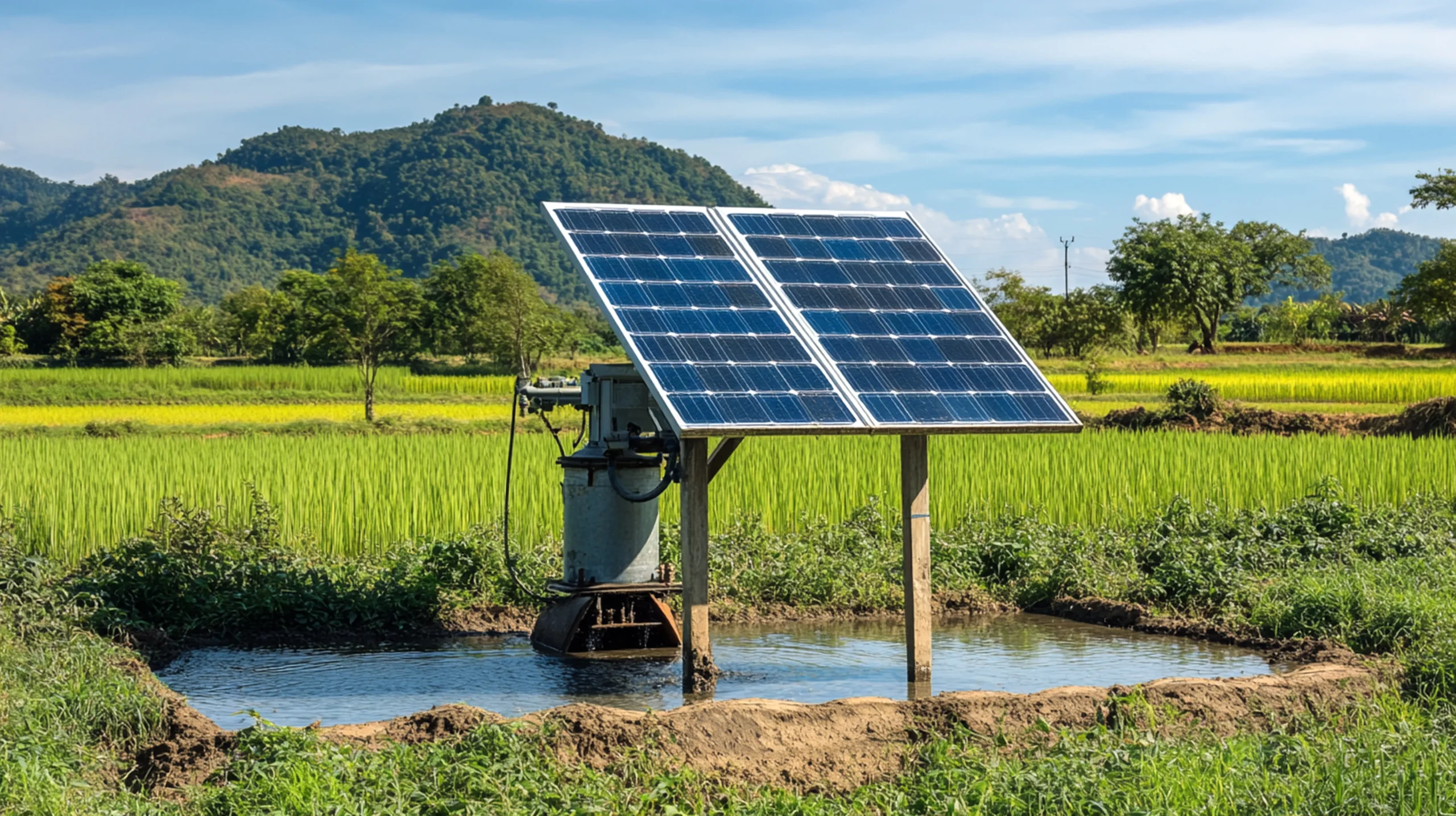
02Solar-assisted water pumping solutions developed around the water source, required flow, pumping condition, and application.
 03
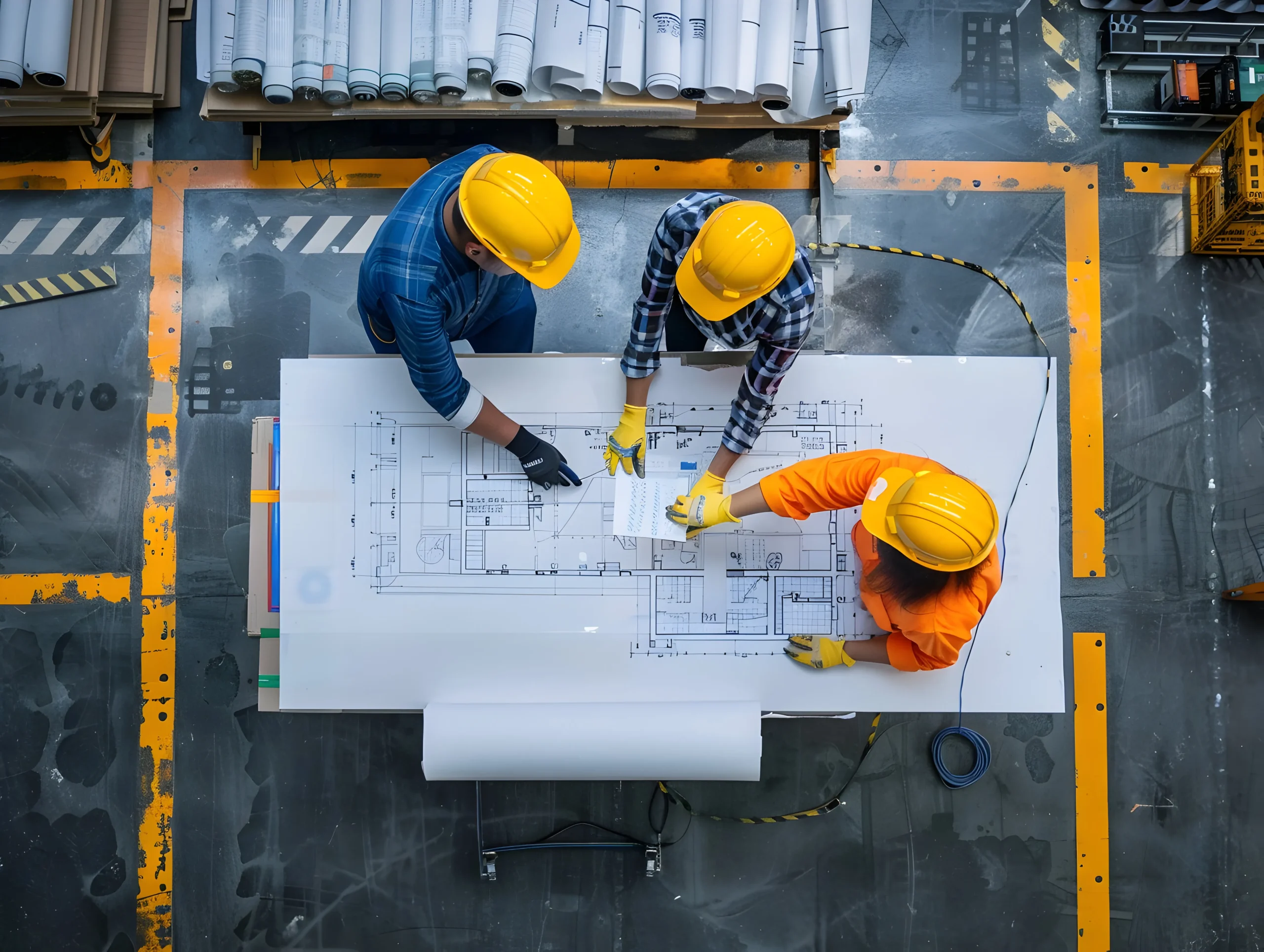
03Mechanical, electrical, and plumbing systems developed to support practical, reliable, and maintainable home infrastructure.
Answer three simple questions. This does not replace engineering assessment, but it can help identify which DAMS capability is most relevant to explore first.
Use basic household information to generate a preliminary profile. This tool does not calculate final PLTS capacity or financial savings.
Your result will appear here after the information on the left is completed.
Switch between energy, water, and infrastructure to understand the simplified operating relationship between major system elements.
Grid and battery integration depend on the selected system architecture and approved engineering design.
Pump selection and water distribution depend on source conditions, demand, hydraulic requirements, and site configuration.
Actual MEP scope depends on the building condition, required disciplines, capacity, and project objectives.
A residential solution should respond to the actual property, household demand, existing infrastructure, and future plan. Equipment selection comes after the requirement is understood.
The objective is not simply to install equipment, but to create systems that remain practical, reliable, and relevant over time.
Use energy and supporting resources more intelligently.
Plan systems around stable everyday operation.
Consider electrical and infrastructure requirements properly.
Integrate more responsible energy use into everyday living.
Consider capacity and future requirements from the beginning.
Residential systems move through a structured sequence so requirements, design decisions, implementation, and operation remain connected.
Define the home condition, requirement, priorities, and intended outcome.
Review relevant energy, water, electrical, structural, and site conditions.
Develop capacity, system architecture, integration, and technical direction.
Coordinate PLTS, water, electrical, or MEP requirements where multiple systems connect.
Execute installation, integration, testing, and commissioning.
Consider long-term operation, accessibility, and maintainability.
Residential project documentation will be added as current work progresses and project information becomes ready to publish. Future case studies will highlight the requirement, engineering approach, scope, and implementation.
Technology matters, but it only becomes useful when the system fits the real requirement of the property and its users.
Start from technical and operational requirements before determining equipment or system configuration.
Energy, water, electrical, and supporting MEP requirements can be considered together where necessary.
Different property conditions and household requirements call for different engineering decisions.
Reliability, practical maintenance, system accessibility, and future needs remain part of the design conversation.
Practical insights about solar power, energy use, electrical systems, and renewable energy decisions.
View All InsightsPractical answers about residential PLTS, energy, infrastructure, system planning, and the engineering process.
Suitability depends on several factors including electricity consumption, roof or installation area, sun exposure, structural condition, electrical infrastructure, and the intended energy objective. These should be reviewed before final capacity is determined.
No. Battery requirements depend on the selected architecture and what the system needs to achieve. On-grid, hybrid, and off-grid systems have different operating characteristics, so storage should respond to a defined requirement rather than being added automatically.
Capacity should be based on household electricity consumption, usage patterns, available installation area, electrical conditions, system architecture, and the objective of the installation. Bigger capacity is not automatically better.
Yes. Existing buildings can be reviewed to determine whether the requirement involves integration, improvement, replacement, capacity expansion, or a new system. Existing infrastructure conditions should be understood first.
They can be considered together when the project requires multiple disciplines. The relevant scope depends on the household requirement, property condition, technical constraints, and how the systems need to interact.
Future loads, property development, additional equipment, energy-storage plans, or other expected changes can be considered during the engineering process so the solution is not designed only around today's condition.
Useful initial information may include project location, electricity bills or consumption, photos of relevant areas, existing electrical conditions, water requirements where applicable, and a simple explanation of what you want to improve or achieve.
The required support depends on the installed system and project scope. Maintainability, system accessibility, operation, testing, and long-term reliability should already be considered during engineering and implementation.